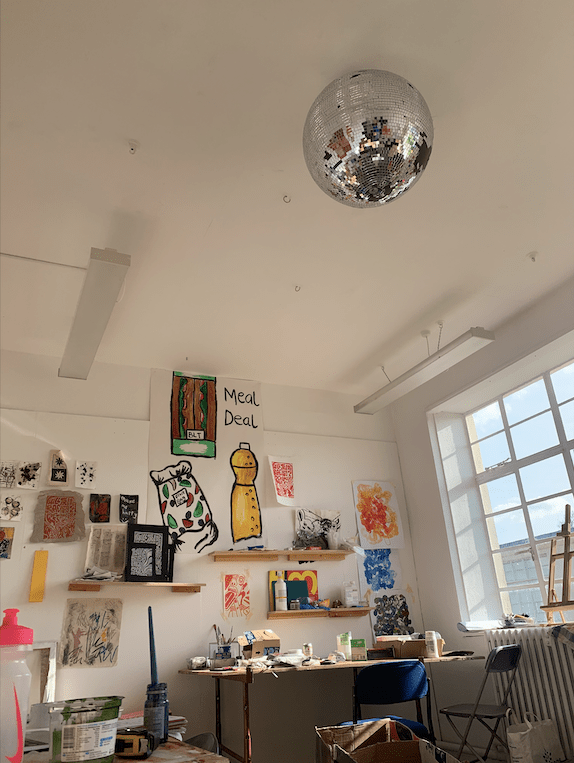
Documentation
Images and research from my creative process this term
Pre-studio (weeks 1-9)
STUDIO CLOSURE RESPONSES
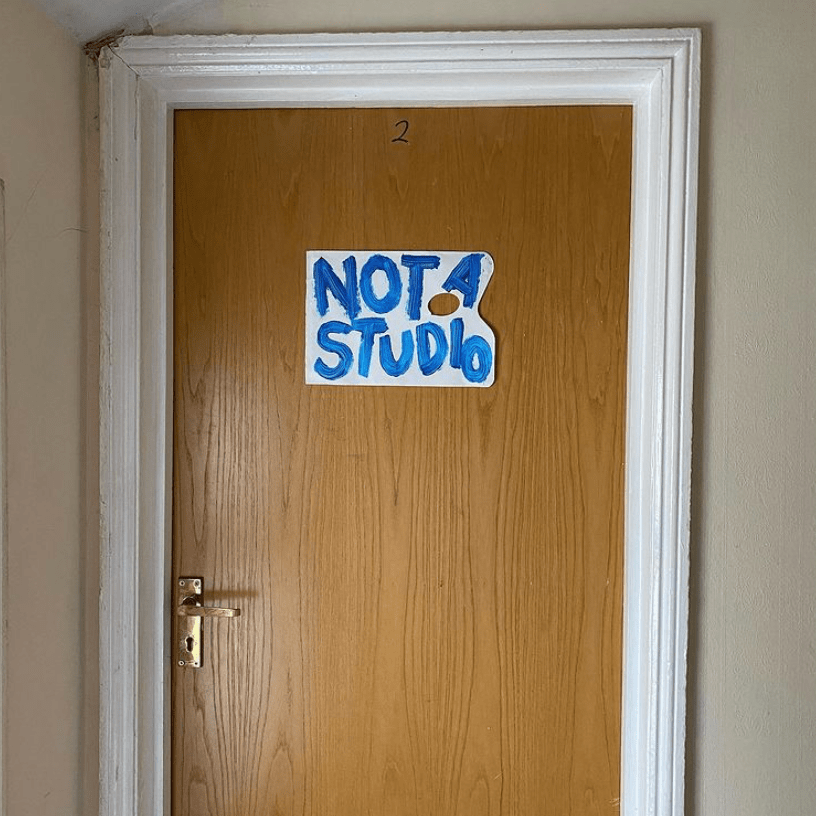
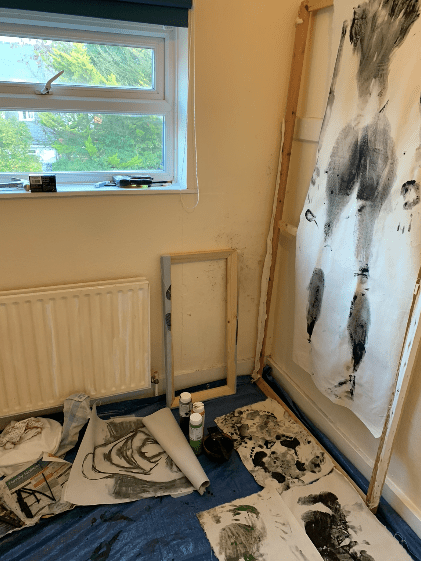
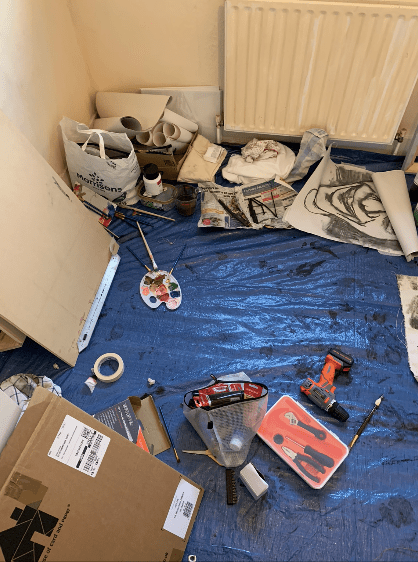
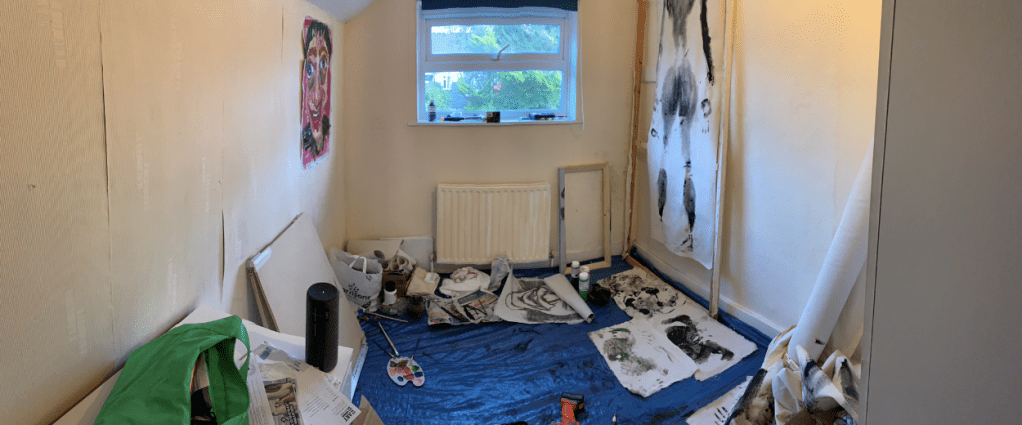
Spare bedroom in a student house functioning as a studio, shared with another student.
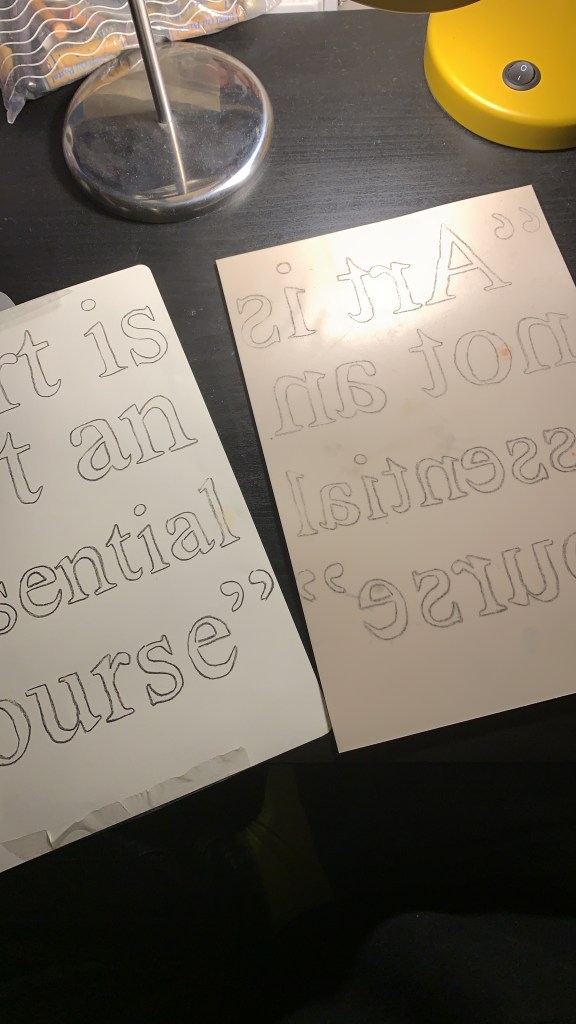
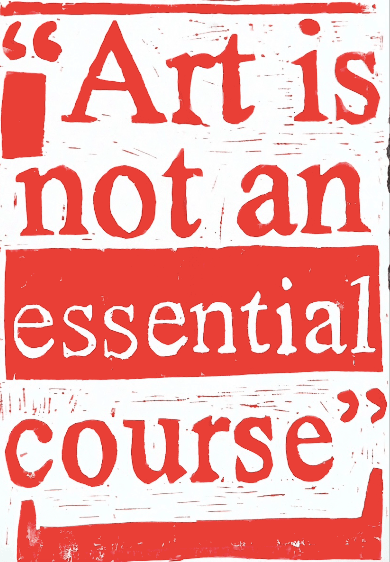
“Art is not an essential course” lino print, 20 x 30 cm, on paper, Feb 2021; quote taken from a school meeting, said in response to questions about why the studios must be closed
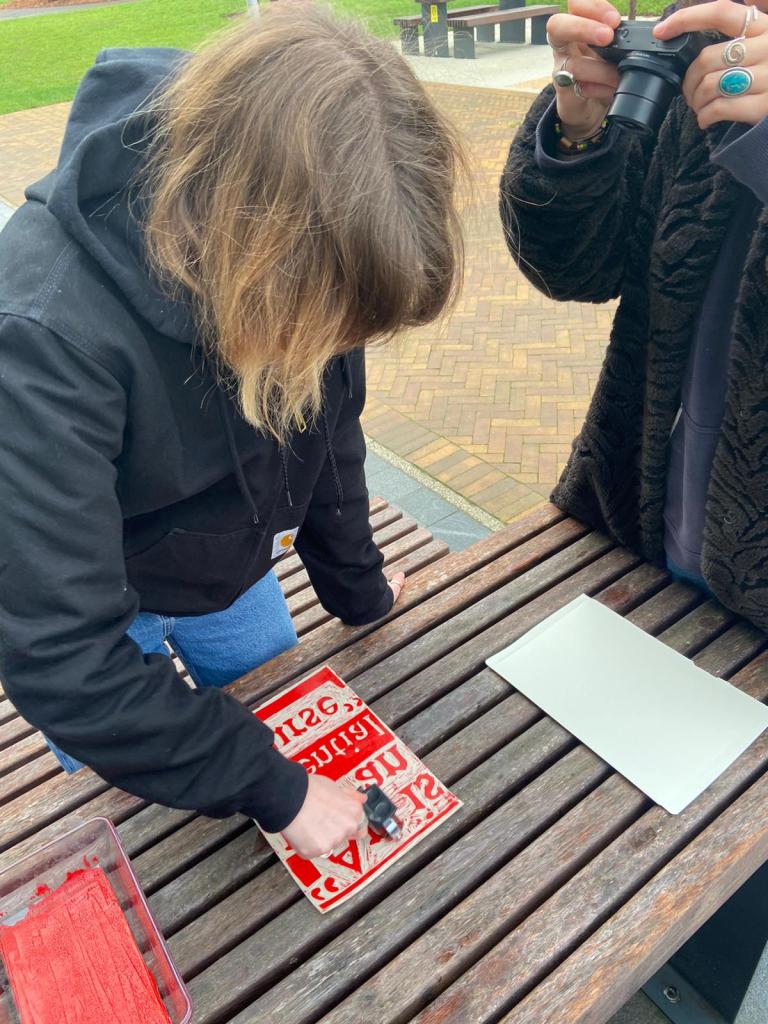
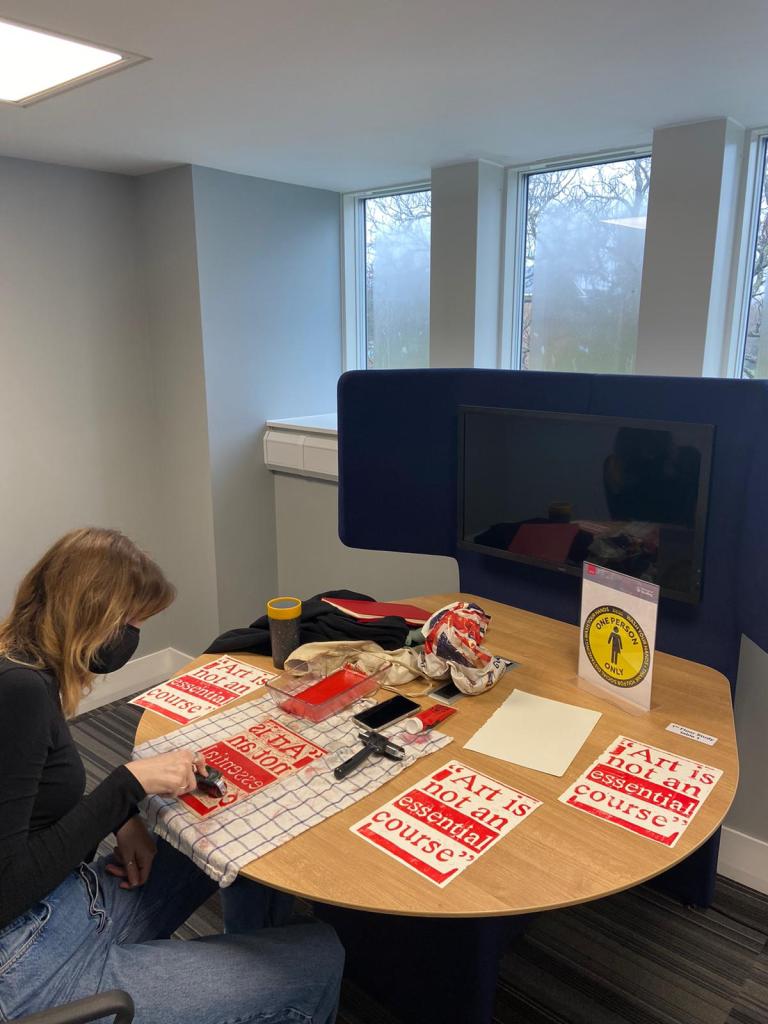
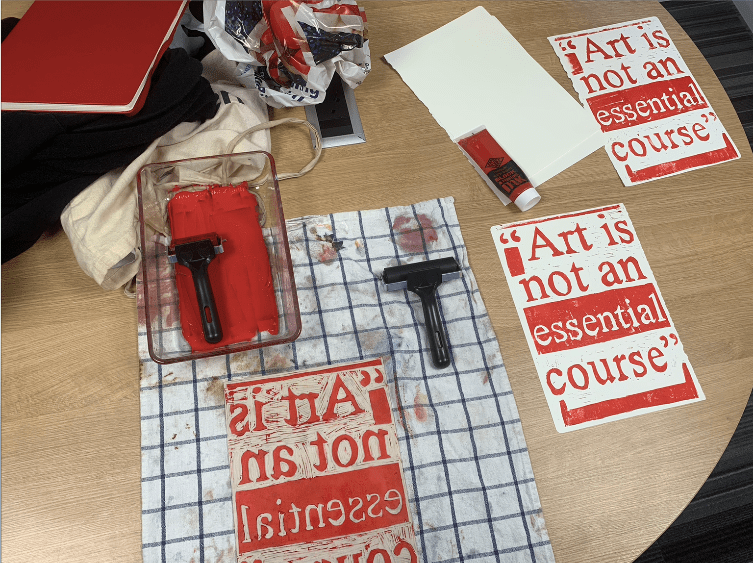
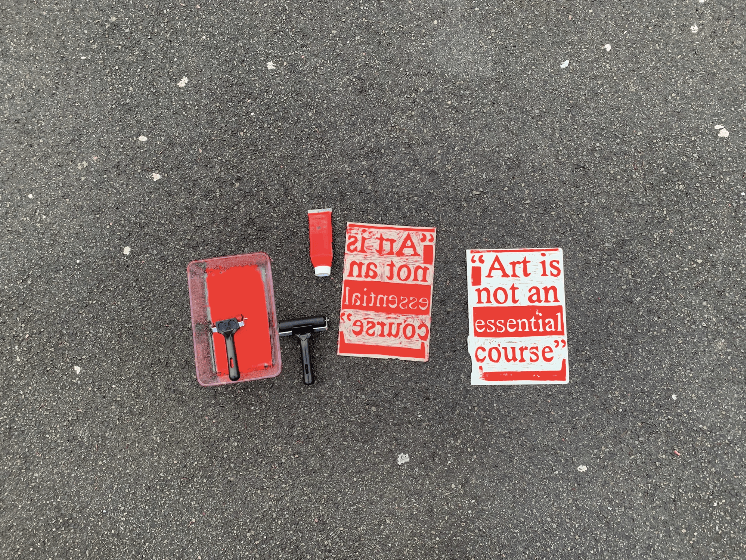
Photos from library presentation, where lino prints were made inside the library, as well as outside, as an attempt to highlight the disparities between study spaces/facilities which were able to be open at the start of term
Additional videos from this demonstration.
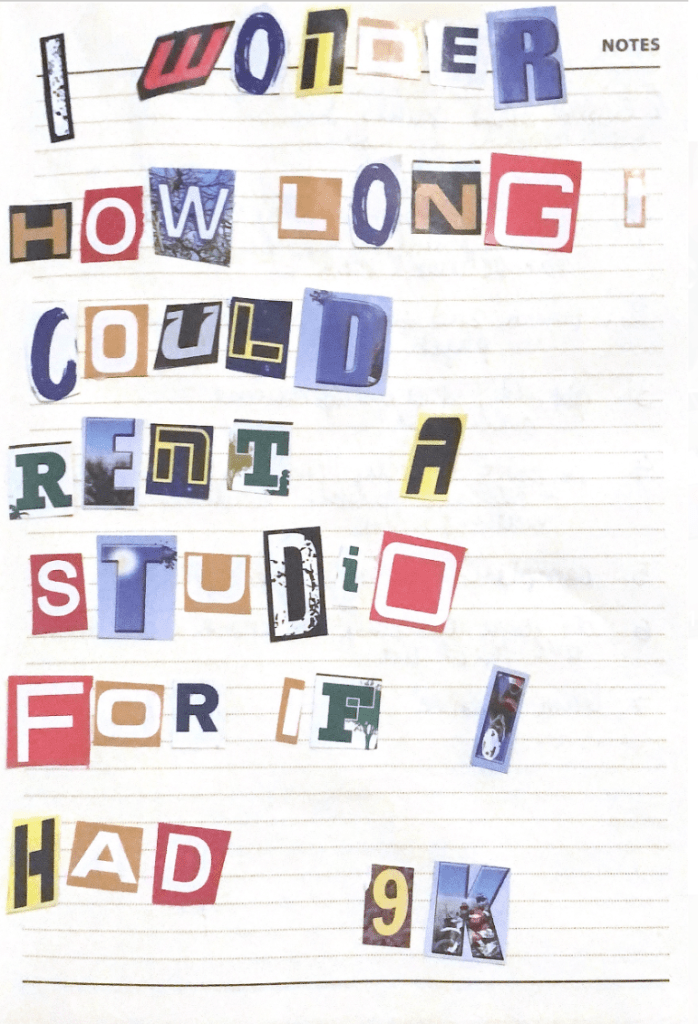
“I wonder how long I could rent a studio for if I had 9k”, analogue collage, 20 x 15 cm, Feb 2021; a collage to further share frustrations on studio closures
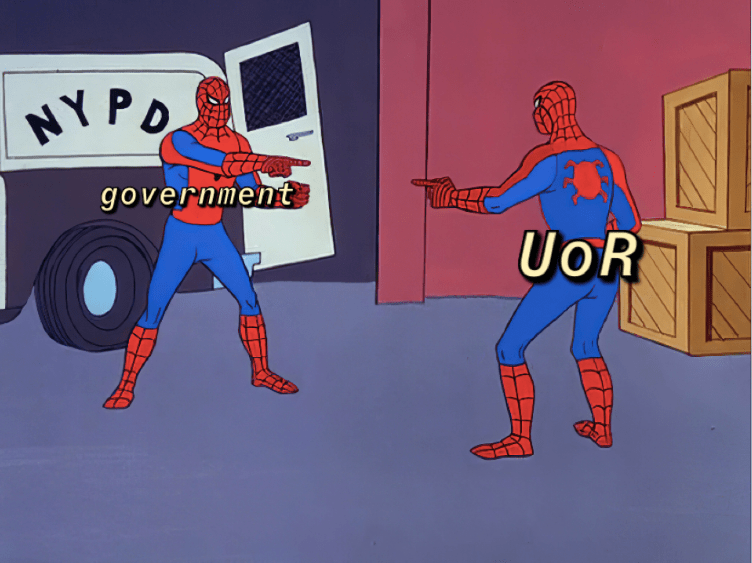
“Government guidelines”, digital collage, size varies, March 2021; an additional collage, specifically in response to contradictions between government guidelines and university guidance
FUNCTIONALITY OF TOOLS VIDEO EXPLORATIONS
Drawing on experience of using a paintbrush attached to a drill to paint, I further explored the idea of the functionality of tools, such as the drill. This was investigated through various videos, and also looking into themes of materiality, autonomy, conceptual thinking and ‘un-necessities’.
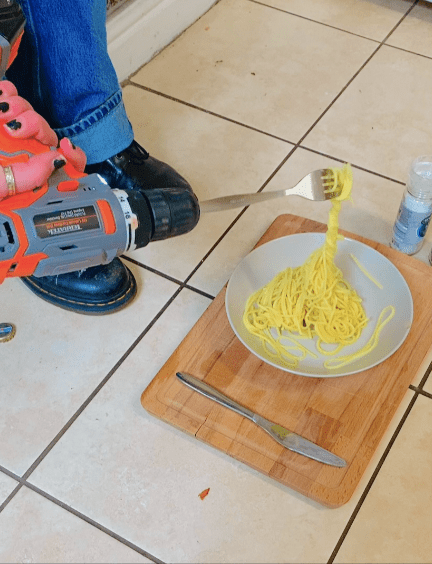
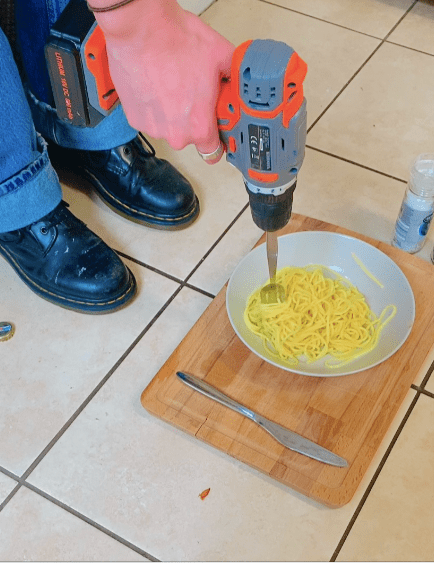
“Drill spaghetti”, video and additional stills, size varying, Jan 2021.
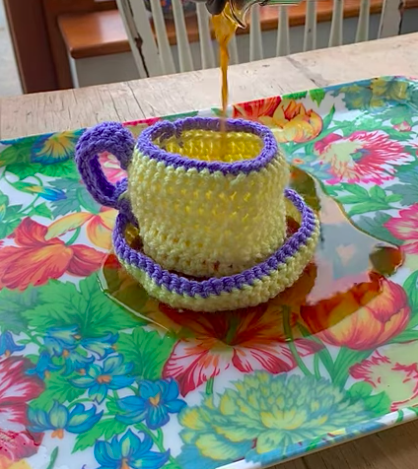
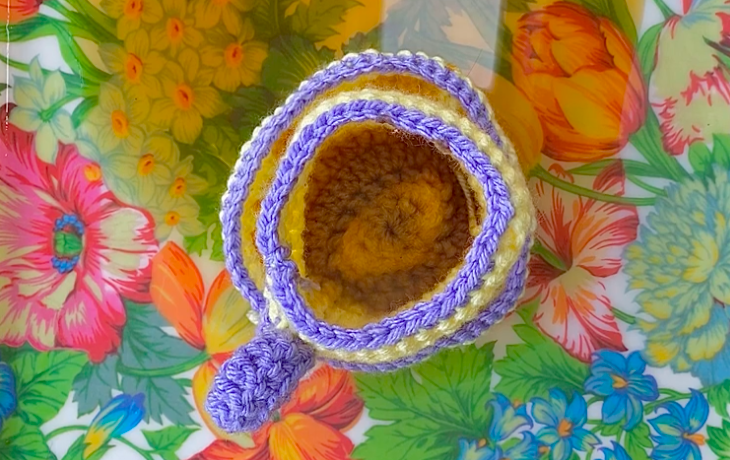
“Coffee cup (angles 1 and 2)”, video and additional stills, size varying, Feb 2021.
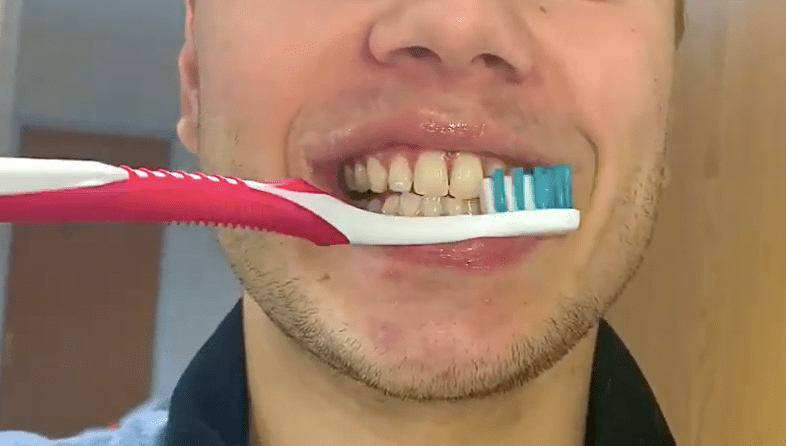
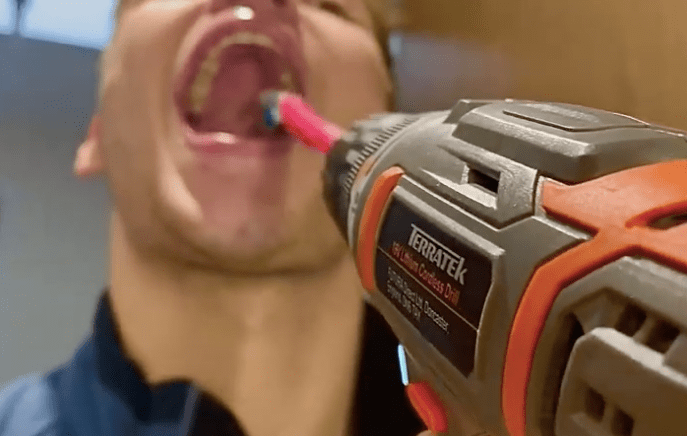
“Drill toothbrush (angles 1 and 2)”, video with additional stills, size varying, Feb 2021.
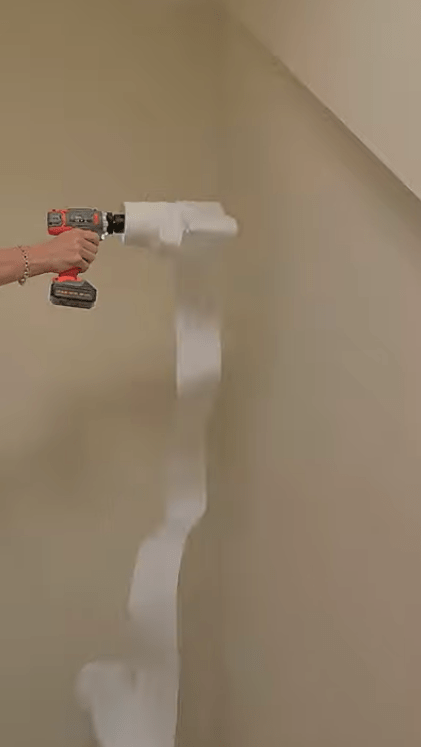
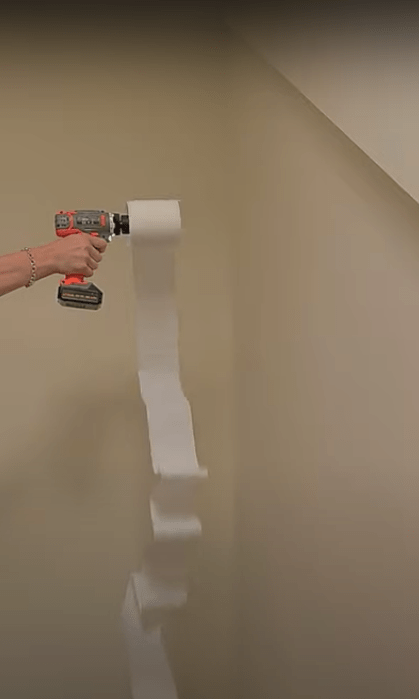
“Drill toiletpaper”, video with additional stills, size varying, Feb 2021.
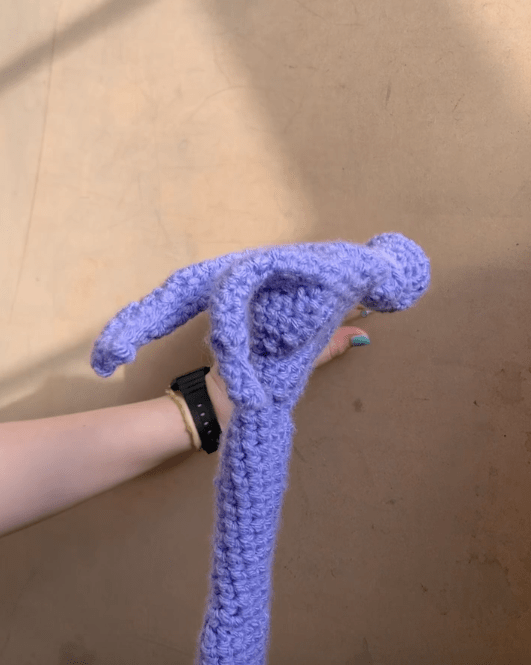

“Crochet hammer/this is the most ridiculous thing I’ve ever done”, video and additional stills, size varying, March 2021.
Both of these elements, the functionality of tools videos, and the artistic responses due to studios being closed, felt almost synonymous with each other throughout my process. With adapting to fulfilling requirements of my course without access to the studio, I found myself questioning the functionality of spaces, and this transferred across to the tools videos; manifesting this idea in quite a hilarious way. Moreover, I found myself using a spare bedroom and the library as a “studio”, which goes completely against the function that these spaces were designed to fulfil; similar to how a drill may be used to eat spaghetti, even though it was never designed to be used in this manner.
Studio (weeks 9 and onwards)
THE GIANT DRILL
Following the exploration of functionality in tools, I started questioning how these video pieces function as art, and thinking further about conceptual processes and the absurdist nature of trying to put meaning behind an art piece, within the chaos and non-meaning of human existence. Additionally, I had gained a slight reputation of using drills in my practice (amongst my cohort) and so I wanted to push the boundaries of my previous ideas further, in making a giant drill sculpture; to finalise this theme involving drills.
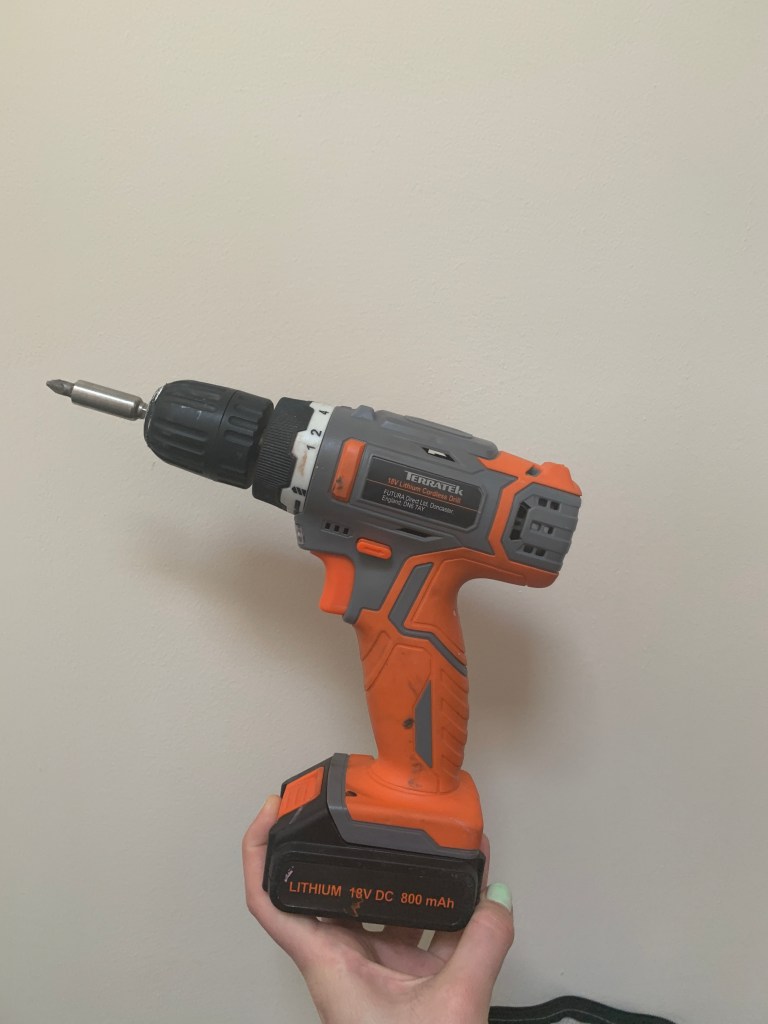
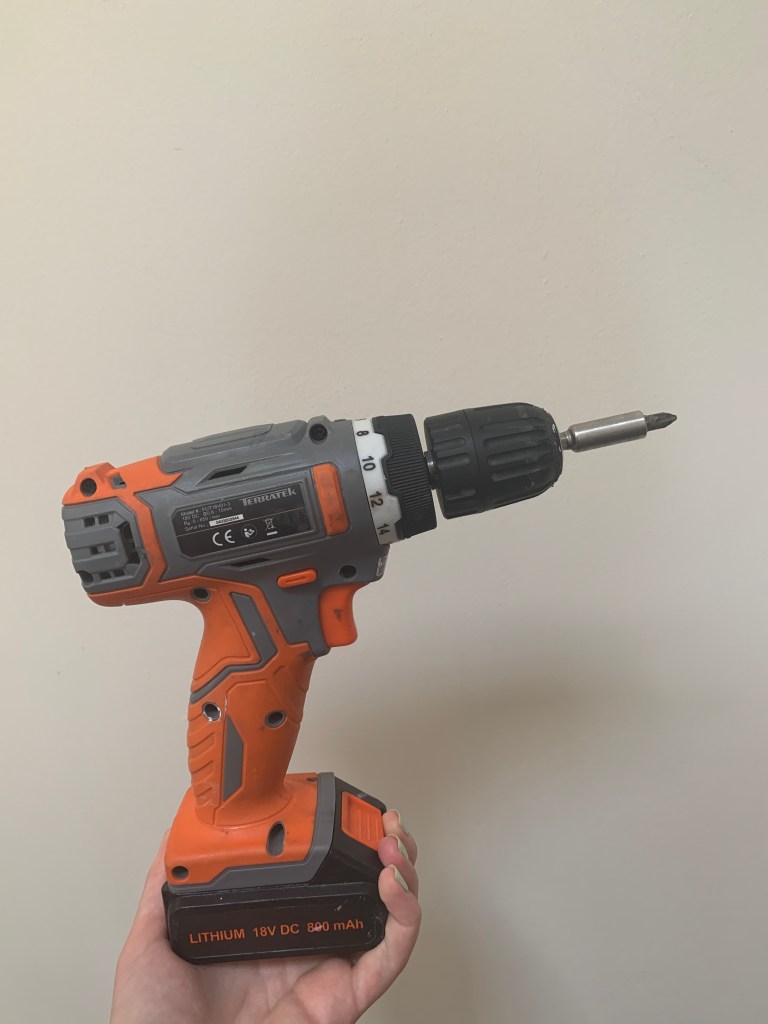
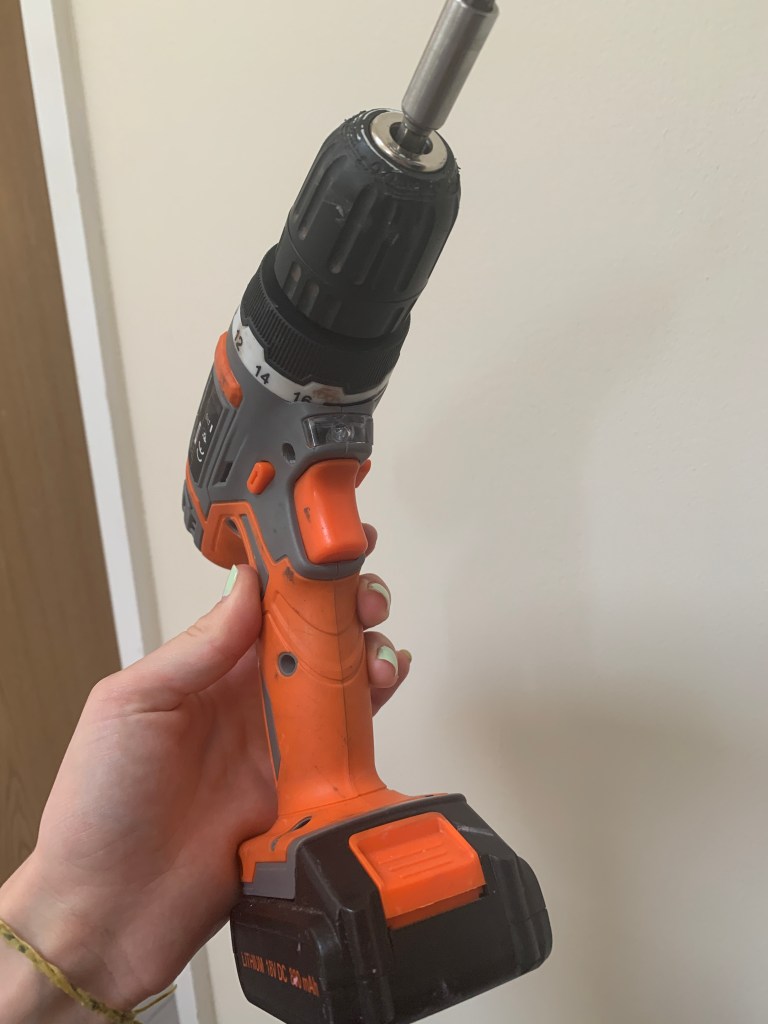
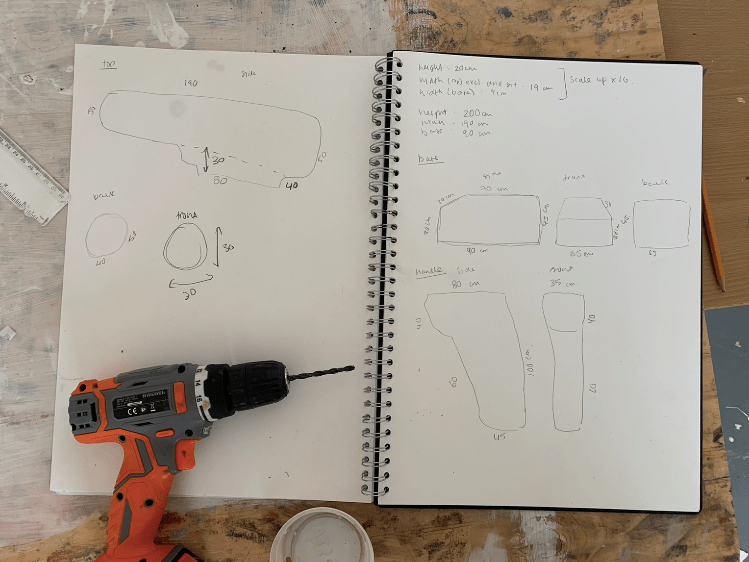
The drill in question, with the initial sketches/sizing below
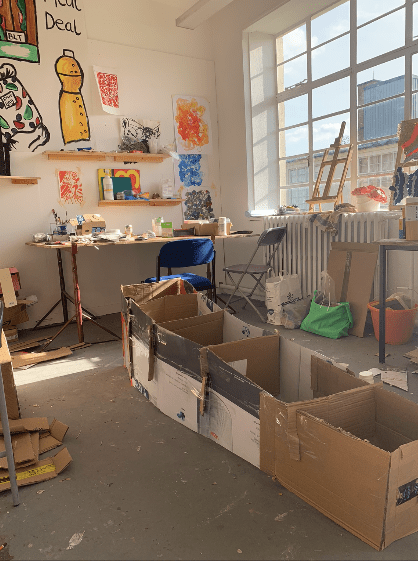
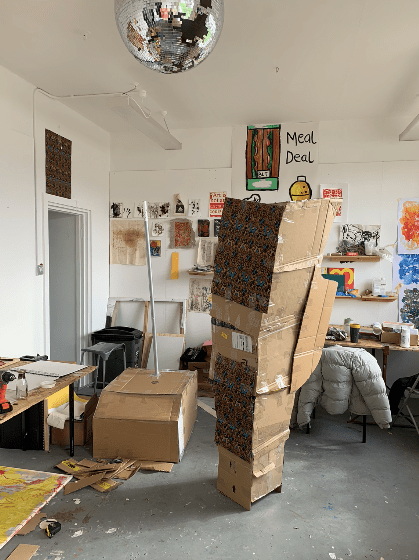

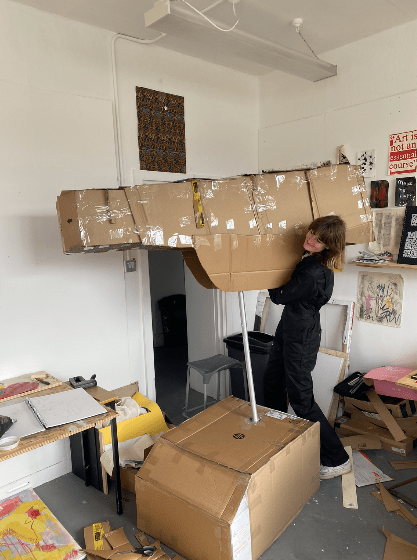
Base layer, predominantly consisting of cardboard and tape, with plastic piping in the middle for structure
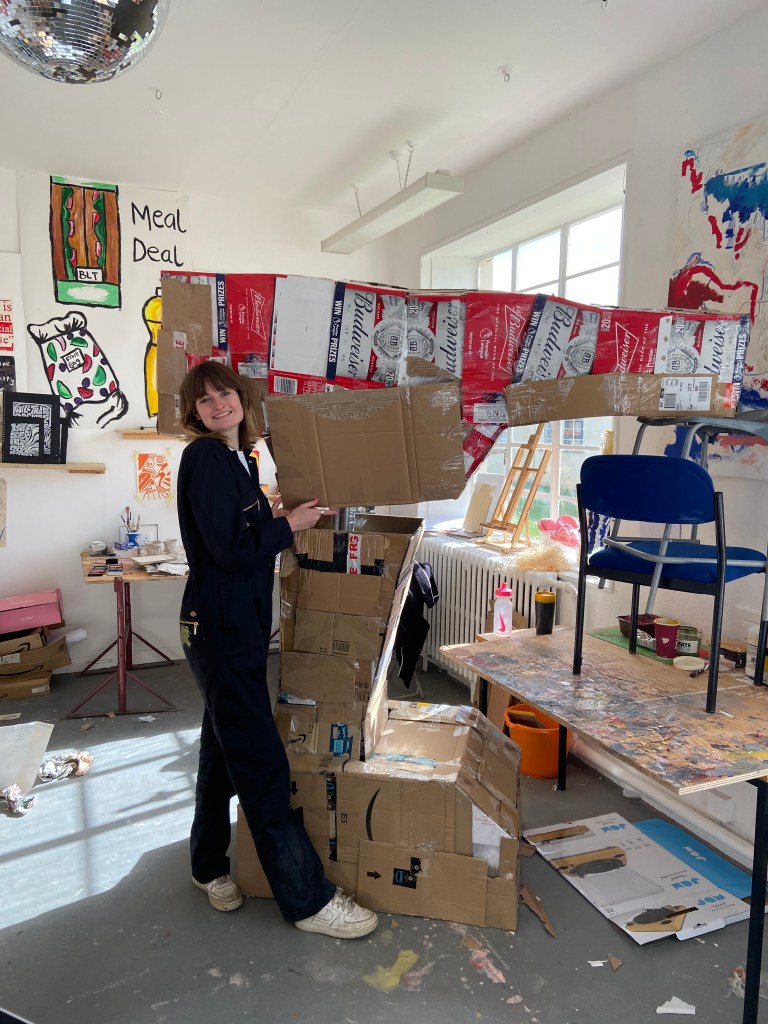
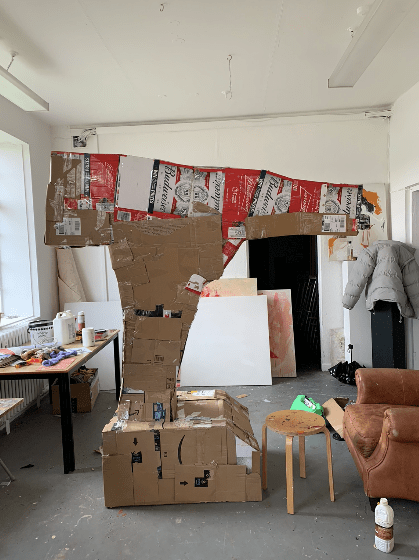
Final base, with me to scale (although I am 5″10)
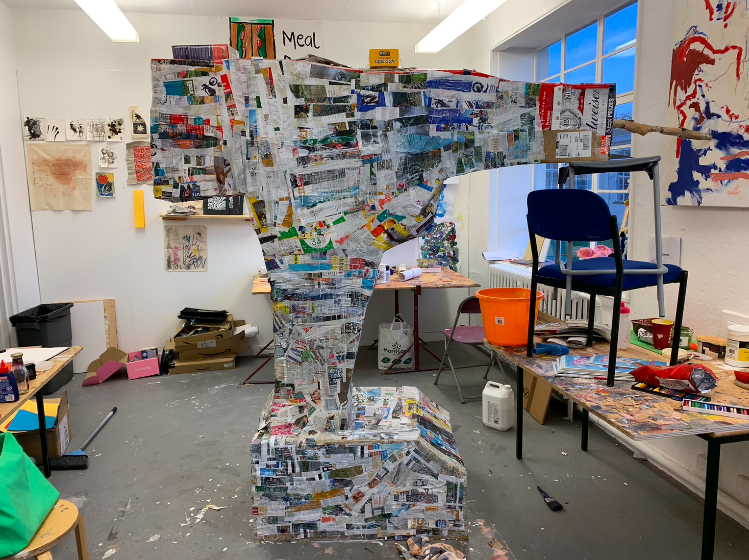
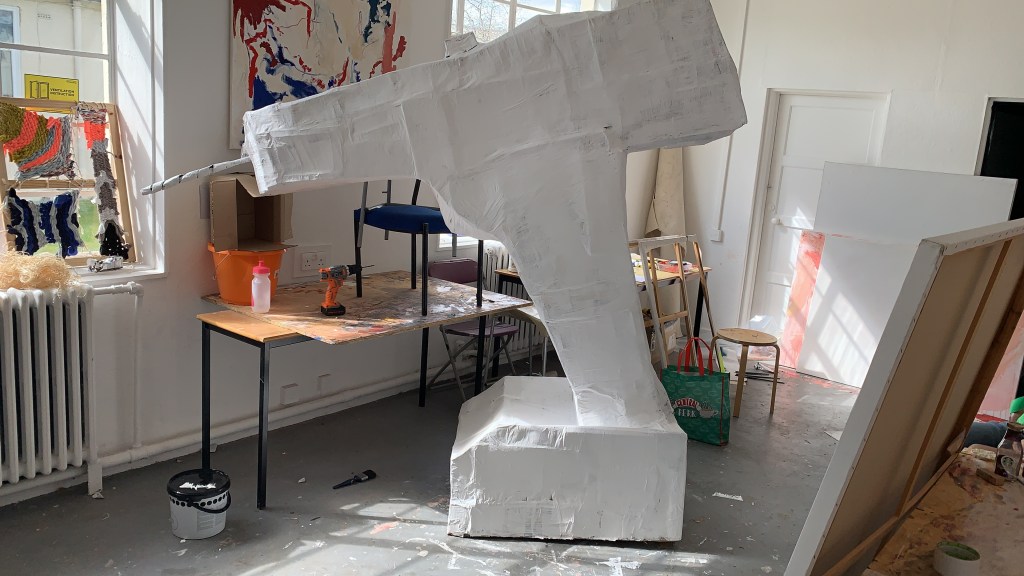

Paper mache layers, and then the first coat of the base colour, white. At this point there were some structural difficulties, causing the drill to lean, which was rectified by making a solid wooden base
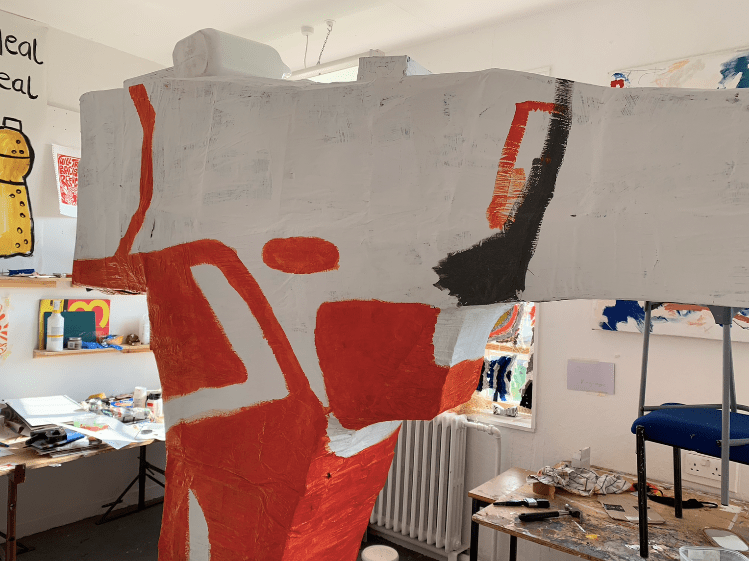
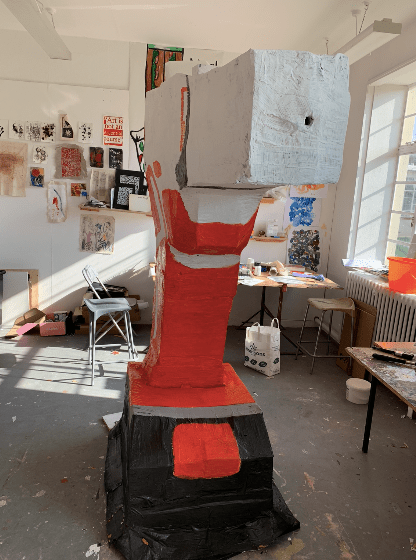
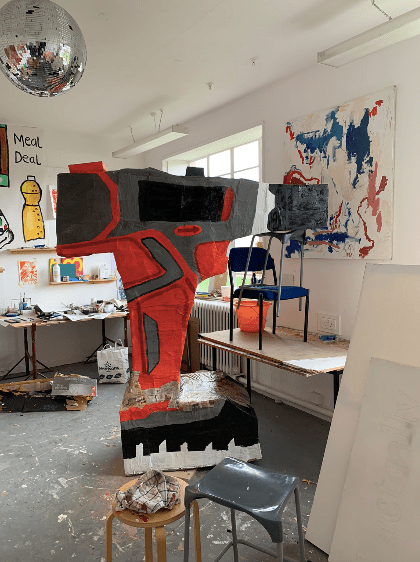
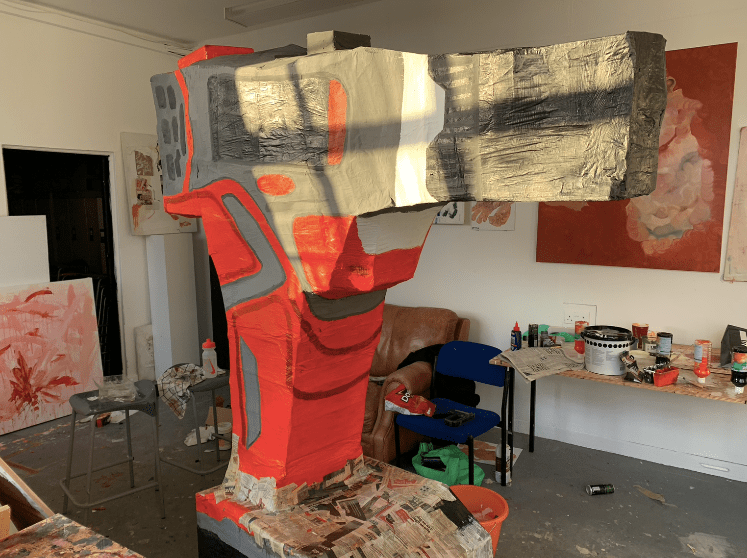
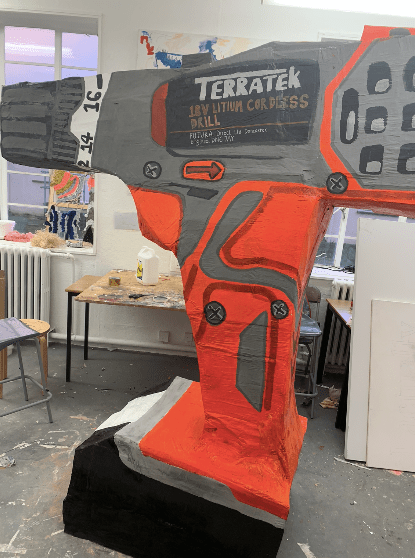
Painting process
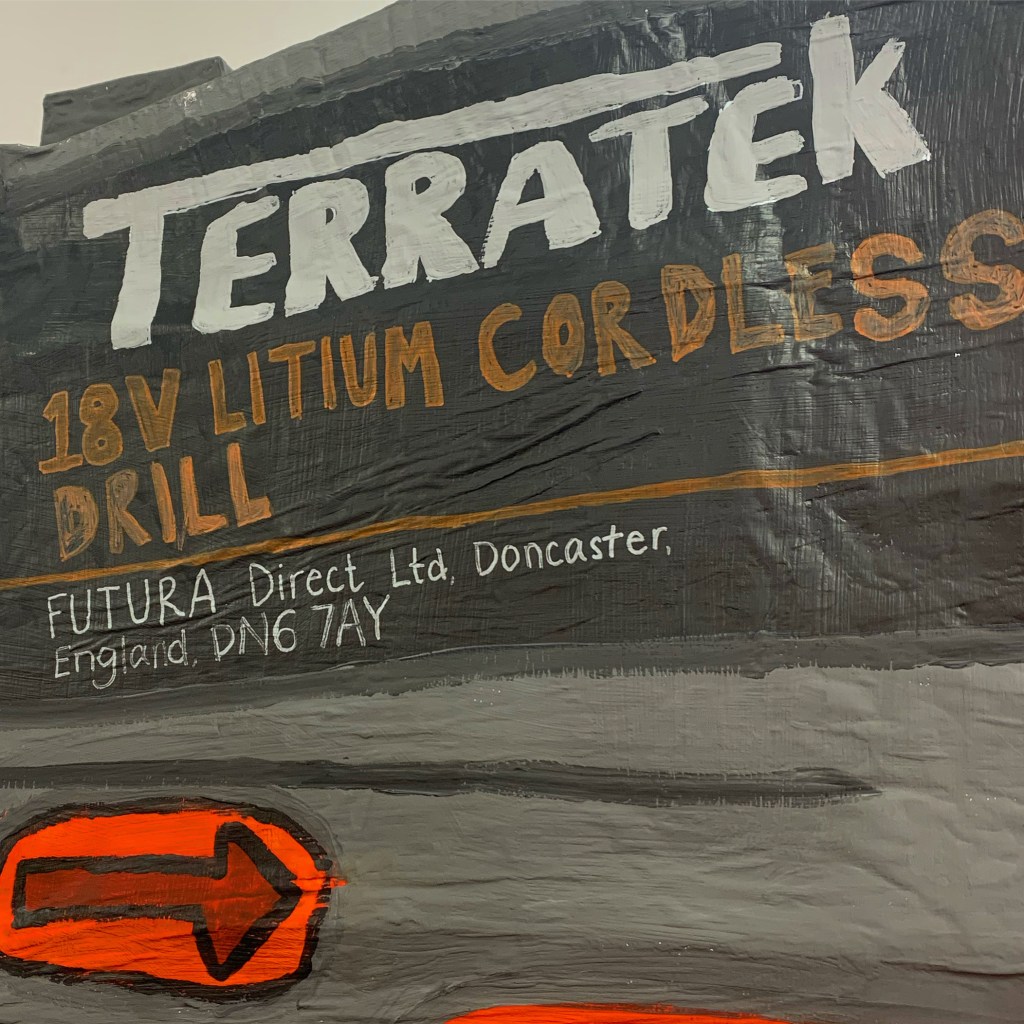
Detail from painting, including a spelling mistake
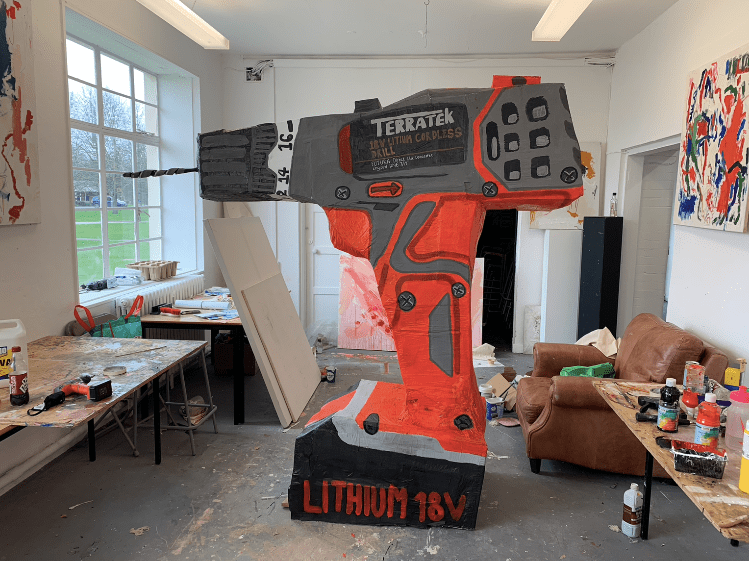
“Magnum Opus”, mixed media, 2 x 2 metres (at widest points), March 2021.
The final finished drill, standing in my studio space. In order to demonstrate its size, I took various pictures of the drill in different locations, as well as some videos and a small installation piece, which can be found in my exhibition portfolio.
I ACTUALLY CAN PAINT, THANK YOU
With this painting, I attempted to employ typical painting ‘techniques’ as written on the following blog posts; FeltMagnet “Elements of a Good Painting – Art Tips” and SpruceCrafts “The Elements of Painting”. I did this in order to question the importance of technical skills in art making, which was something I thought a lot about after finishing “Magnum Opus”.
The techniques used for this painting are as follows:
- Using colour wheel to create colour combinations
- Using mother hue to create uniformity in colours
- Using darker tones for shading
- Lighting falling in same direction
- Focal point being on the lines of thirds
- Focal points having highest contrast value and sharpest edges
- Balance between positive and negative space
- Placement of objects to create movement across piece
- Movement in a zigzag formation
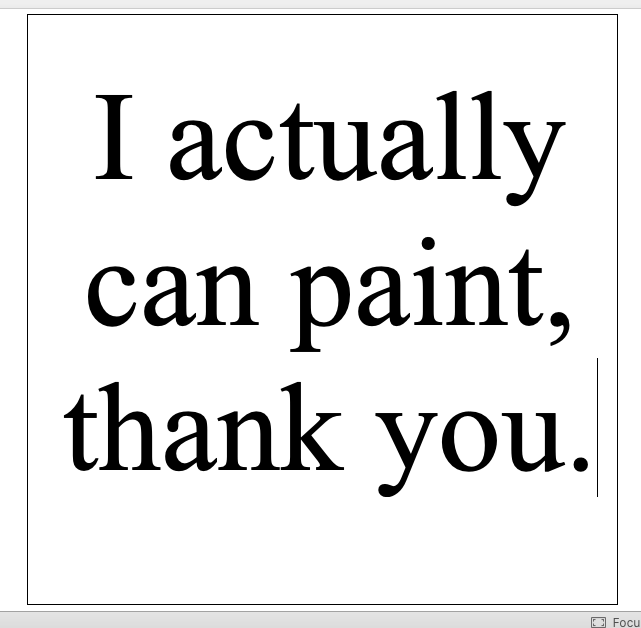
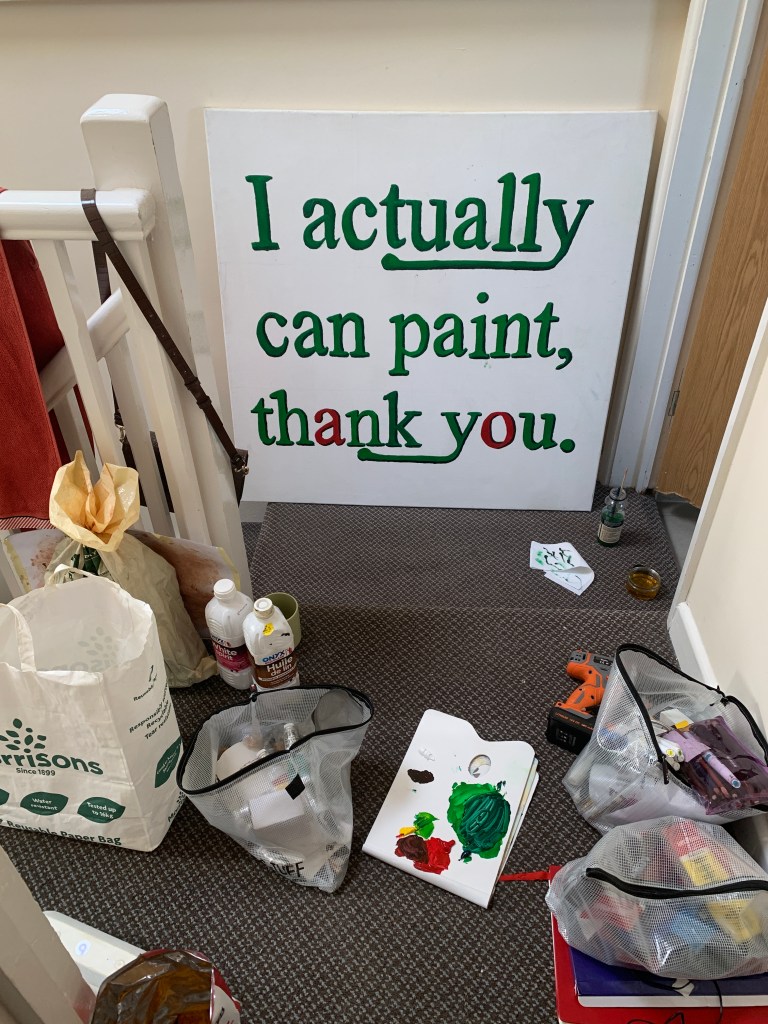
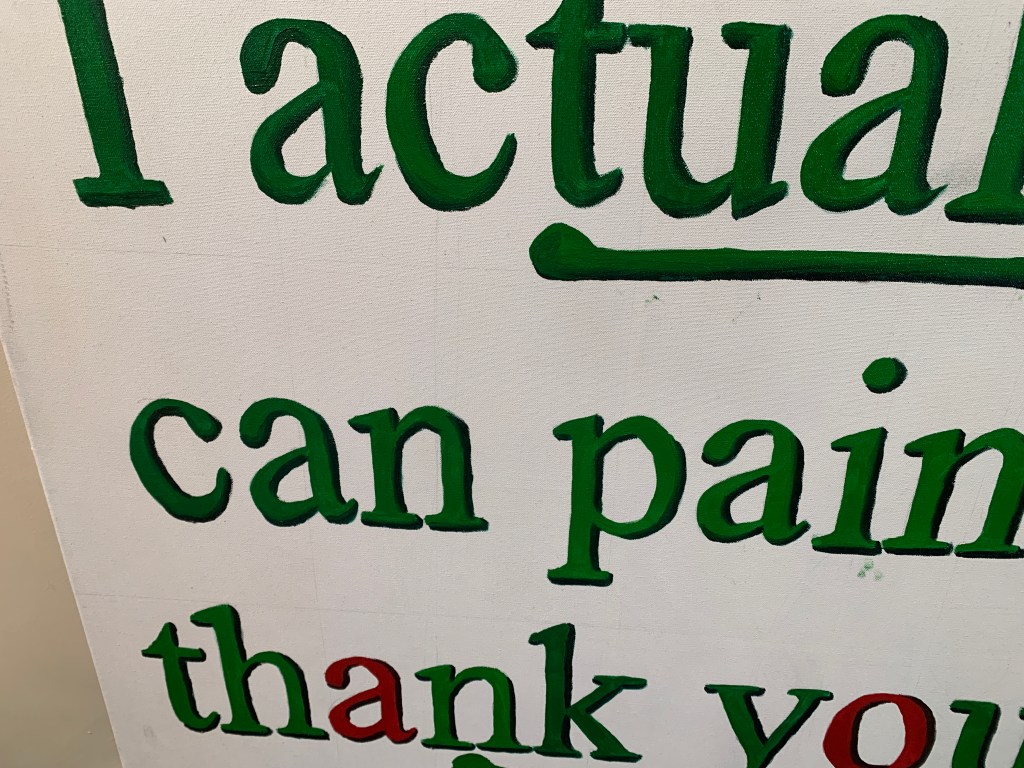
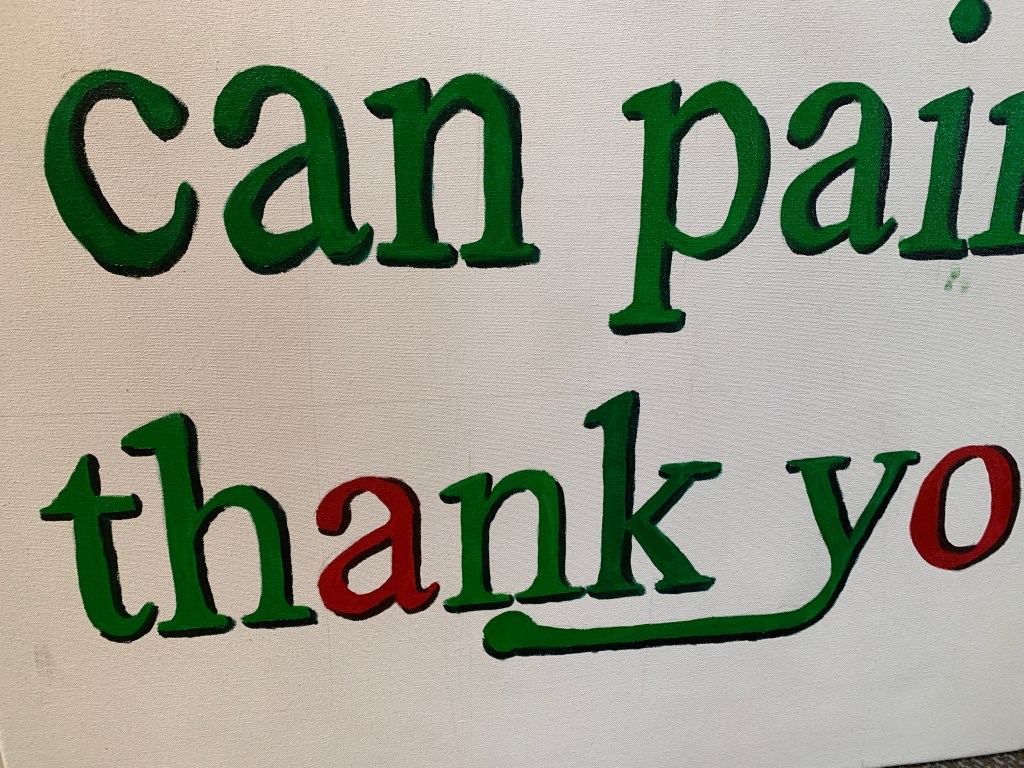
Images from the process of painting “I actually can paint, thank you.”
Additional documentation from fieldwork sessions
WEARABLE FUTURES
In this session, as a group we discussed the potentials for the future of fashion, and what clothes in the future may look like. We discussed the theoretical background of the function of clothing, and clothing as art, as well as technical aspects such as sewing and pattern making. I chose to focus on face/head covering, and how this may be involved in the future.
As part of my research, I looked into anti-face recognition make-up, from the likes of CV Dazzle, as well as fashion powerhouses such as Calvin Klein and Alexander Wang who started using balaclavas on runways. I also considered the cultural implications of face covering, such as the “burqa” ban which was implemented in France in 2010, and the backlash against this, and now the direct contradiction of this with face masks being made to worn in response to the coronavirus pandemic.
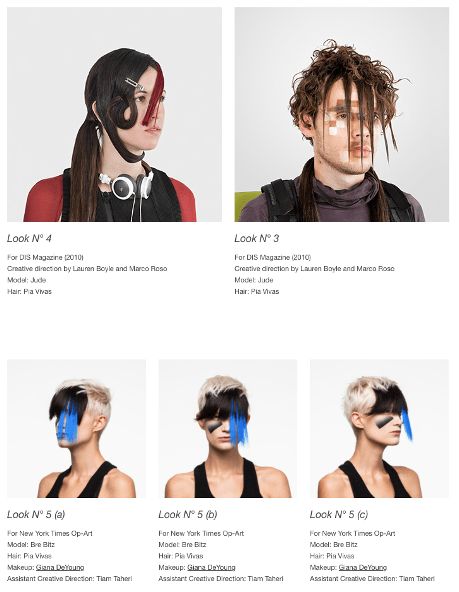
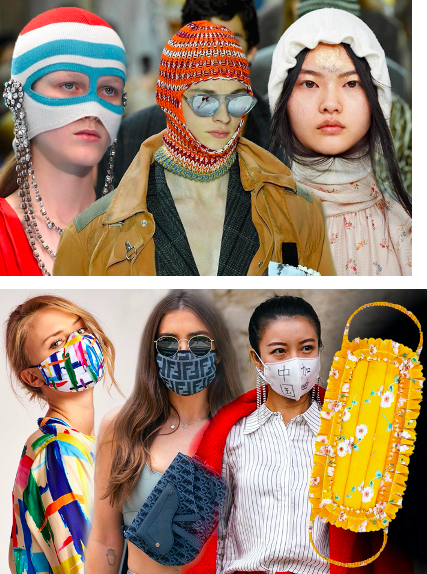

In considering the future of fashion, I chose to focus on this theme of face covering, in making crochet balaclavas, as well as digital collages to visualise the potentials of accessorising around a covered face.
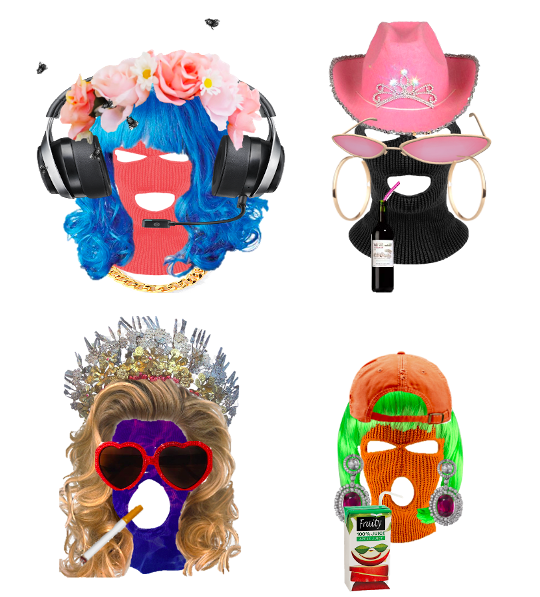
“Wearable futures”, digital collage, size varying, Jan 2021.
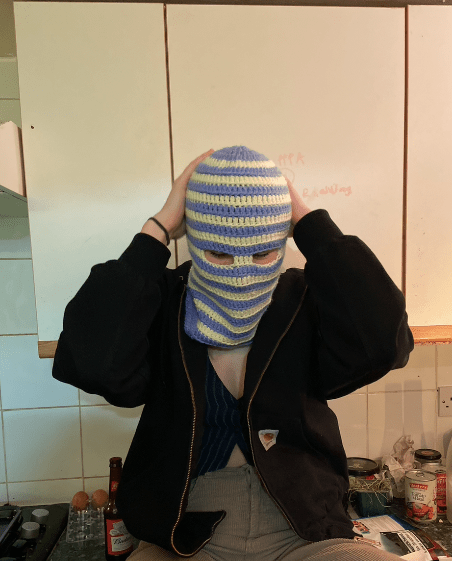
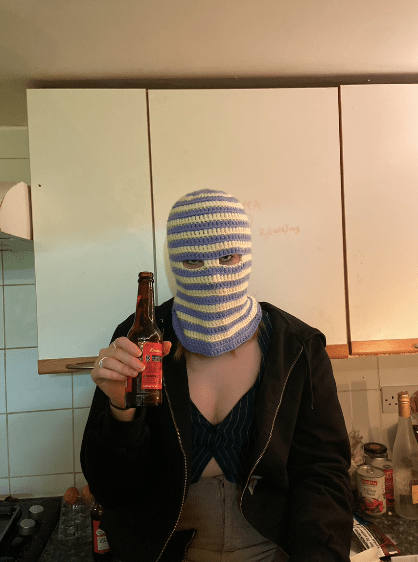
“Crochet balaclava (one)”, crocheted acrylic yarn, 40 x 20 cm, Feb 2021.
B.R.E.A.D
A session in which bread was made into a sculptural object, with use of wire, food colouring, and various twisting and building techniques.
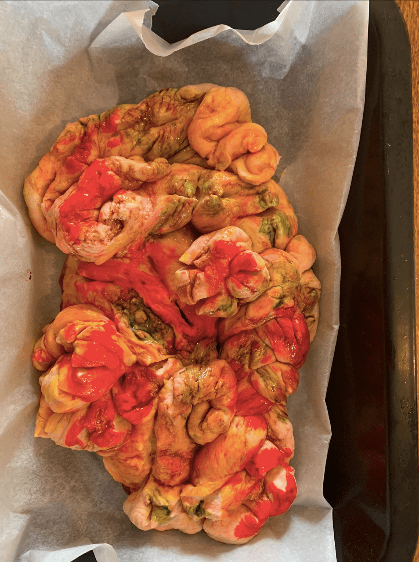
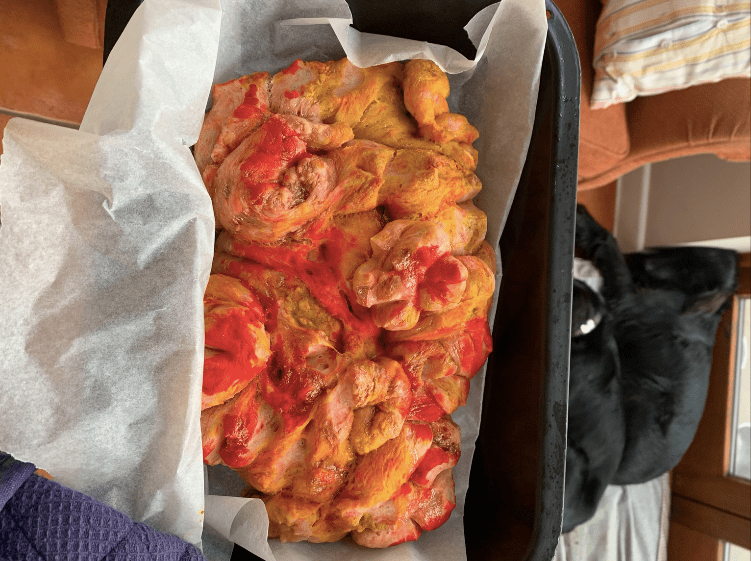
Before and after baking
Padlet for sharing bread sculptures
 daisydickens.com